
Message of the Governor
Greetings!
Music has been an integral part of human culture for centuries, and traditional songs have been passed down through generations, carrying with them the rich heritage and history of a community or a region. However, in our fast-paced modern world, where cultural traditions are often threatened by globalization and changing lifestyles, it has become more crucial than ever to document and preserve these traditional songs or music.
First and foremost, documenting traditional songs or music helps to ensure their preservation for future generations. These songs are often the expressions of a community’s unique identity, reflecting their beliefs, values, and way of life. They are an invaluable cultural heritage that deserves to be protected and passed on to future generations. By documenting traditional songs or music, we can ensure that they are preserved for posterity, so that our children and grandchildren can appreciate and learn from them.
Documenting traditional songs or music also helps to foster cultural diversity. Our world is made up of diverse cultures and traditions, each with its own unique musical heritage. Traditional songs or music are an important part of this diversity, representing the artistic and creative expressions of different communities. By documenting traditional songs or music, we are able to promote and celebrate cultural diversity, as well as foster mutual understanding and respect among different cultures. It helps us appreciate the richness and beauty of the world’s cultural tapestry.
Furthermore, documenting traditional songs or music provides a window into the past. These songs often have historical significance, reflecting the experiences, struggles, and triumphs of past generations. They offer insights into the social, political, and cultural contexts of a particular time and place. By documenting traditional songs or music, we can gain a deeper understanding of our own history and heritage, as well as the history of others. It allows us to connect with our roots and learn from the wisdom of our ancestors.
Ultimately, documenting traditional songs or music is an act of respect and gratitude towards the communities that have nurtured and preserved these songs for generations. It acknowledges the contributions and the cultural significance of these communities and their traditional musical heritage. It also promotes cultural pride and self-esteem among community members, as they see their traditions being valued and preserved.
With that, on behalf of the Provincial Government of Pangasinan, allow me to express my most profound gratitude to the National Commission for Culture and the Arts (NCCA) for the generous grant and technical assistance which allowed the provincial government to document some of the most significant traditional songs and music in our province through the Pangasinan Music Geography Project. I would also like to thank the Provincial Tourism and Cultural Affairs Office (PTCAO) for leading the implementation of this valuable project. I also thank the mappers and project team who have worked tirelessly in order for this project to come into fruition. Lastly, my sincerest gratitude goes to all thecommunity members and culture bearers who have willingly and passionately shared their indigenous and traditional knowledge on Pangasinan songs and music.
This book is our gift not only to the people of Pangasinan, but more so, to the nation. It serves as a testament to our continued commitment to and recognition for the important role of culture and arts in achieving holistic local development.
May we continuously make concerted efforts to document, safeguard, and enrich our traditional songs or music that are a vital part of our cultural legacy.
Thank you.
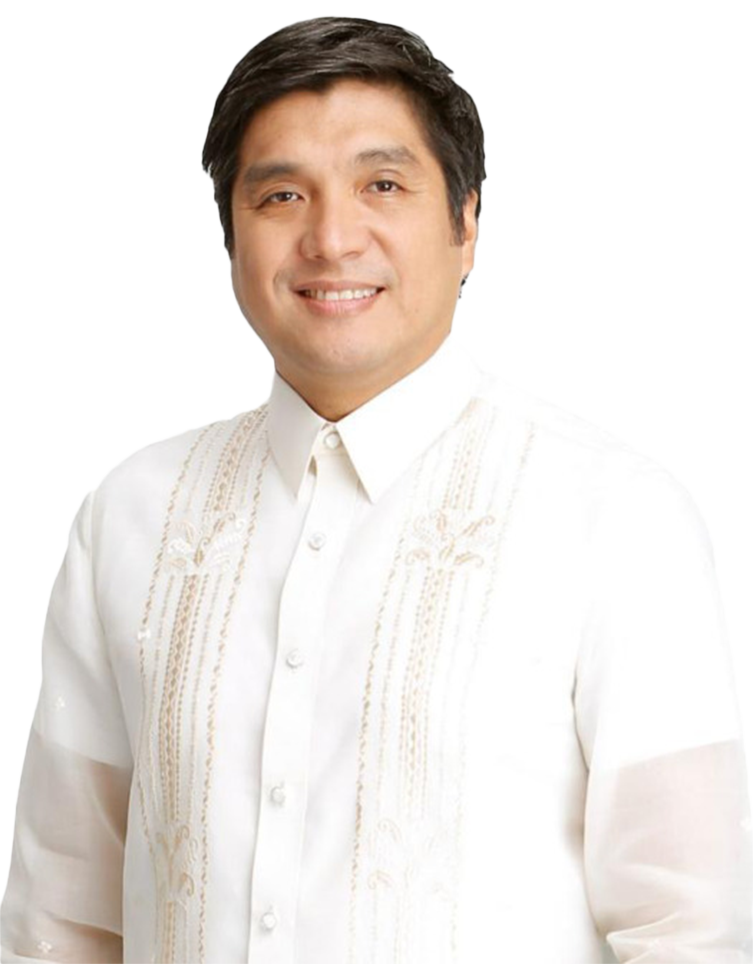
Hon. Ramon V. Guico III, DPM